
Legal & site information
Cookie Policy
This policy explains how camberplumb.info uses cookies and similar technologies, what each type is for, and how you can control them through your browser. It should be read alongside the privacy policy.
Small files, plainly explained
Site preferences and reading data Lastupdated
2026
What this page covers
Four kinds of cookie, and what each one is here to do
Cookies are small text files placed on your device when you visit a website. They allow the site to recognise your device on later visits, remember choices you have made, and collect basic information about how pages are used. Similar technologies, such as local storage, work in comparable ways and are covered by this policy.
We keep the list short deliberately. Each entry below tells you what the cookie does on camberplumb.info, whether you can switch it off from the site, and what changes if you do.
Essential
Needed for the site to work: they remember your cookie preferences and help keep the site secure. You cannot switch them off from the site itself, but a browser can block them.
Analytics
Show us which pages get read and how visitors move between them. The data is aggregated, is never used to identify you personally, and is never combined with anything you send through a contact form.
Third party
Set by the services we rely on to run the site, such as hosting and analytics providers. Each provider publishes its own policy, and we only pass on what the service needs to function.
Your choice
Browser settings let you view, delete and block cookies, and some browsers can block third-party cookies on their own. Clearing cookies resets the preferences you set here.
Nothing on this page changes what you can read. It only tells you what runs quietly while you read it.
What cookies are
A cookie is a small text file a website asks your browser to store. It usually holds a short identifier rather than any real information about you, and it is sent back to the site on your next visit so the site can recognise the same browser. That is how a site remembers that you have already dismissed a notice or chosen a language, without asking you again on every page.
Cookies differ in how long they last. Session cookies disappear when you close the browser tab. Persistent cookies stay for a set period, which can be anything from a few hours to a couple of years, and they are what let a preference survive a restart. You can usually see both kinds listed in your browser's storage settings, along with the site that set each one.
Similar technologies do the same job by other means. Local storage and session storage keep small amounts of data in the browser rather than sending them with every request. Pixels and scripts embedded by a third-party service can also record a page view. Where this policy says cookies, it covers these comparable technologies too, because the practical effect for you is the same.
If you have arrived here while reading through our guide to joint capsules, the ingredient index, or the daily mobility routine, the cookies in play are no different. They support reading, navigation and basic measurement, and they do not change what the guide recommends or how any supplement is described.
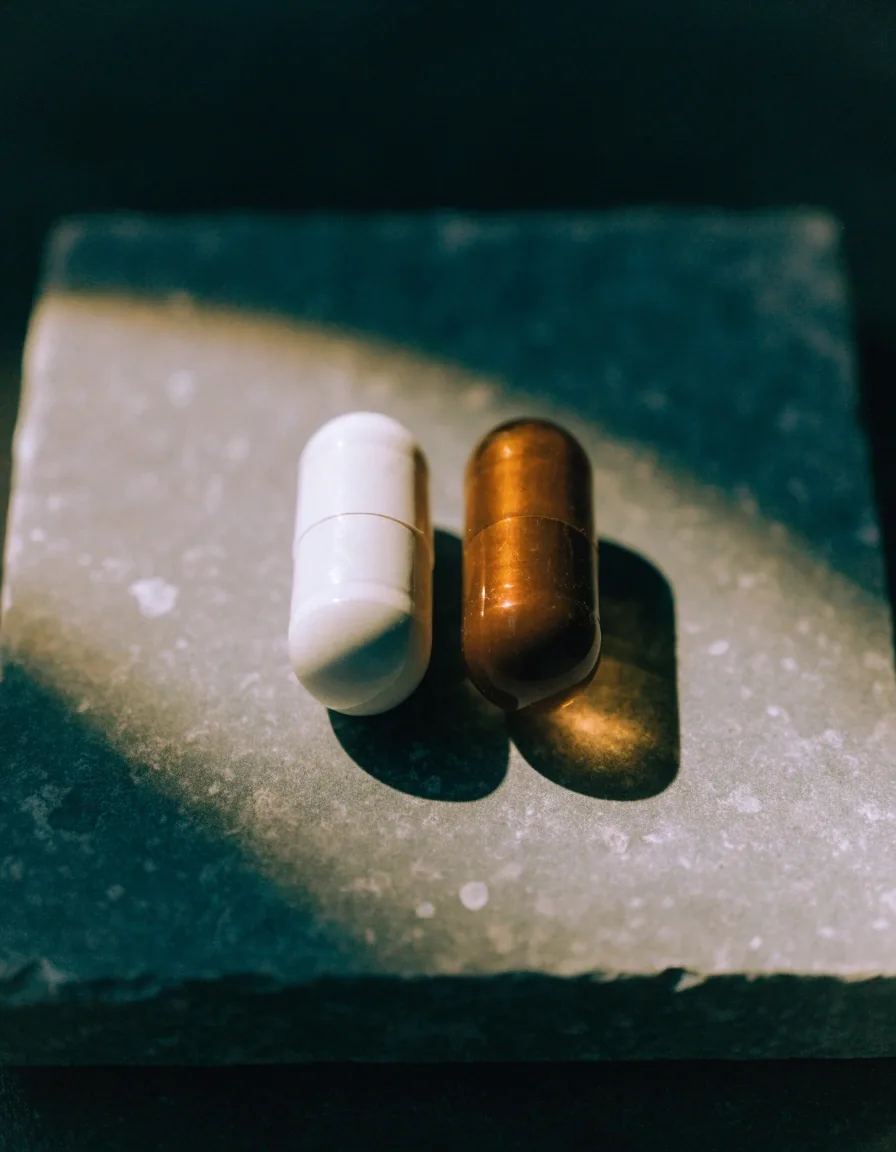
Reading the guide, comparing capsule formats and browsing the ingredient index all rely on the same small set of files described above.
Always on
Essential cookies
Essential cookies are needed for the site to function. They remember your cookie preferences and help keep the site secure. These cookies cannot be switched off through the site, though you can block them in your browser. Blocking them may affect how parts of the site behave.
In practice, one stores the answer you gave on the cookie notice so we do not ask again on your next visit. A second supports security checks that keep the site stable under traffic. Neither follows you to other websites, and neither is used to build a profile of your reading.
If you block essential cookies, the effect is best described as friction rather than failure. The notice may reappear on pages you have already visited, and a small number of layout preferences may reset between sessions. The reading itself, including every capsule comparison, ingredient note and routine suggestion, remains available.
These cookies are set by us on our own domain. They are not shared with advertisers, and they are not used to serve content on other sites. That applies whether you are comparing natural leg capsules, checking a label ingredient by ingredient, or simply skimming the guide.
Analytics cookies
Analytics cookies help us understand which pages are read and how visitors move through the site. The information is aggregated and used to improve content and navigation. We do not use analytics cookies to identify you personally, and we do not combine their data with contact form submissions.
What that means in everyday terms: we can see that a page was read a number of times, that most readers arrive on the capsule comparison and then move to the ingredient index, and that some leave from the routine page. We cannot see who any of those readers were, and nothing links a page view to a name, an email address or a question you have sent us.
Third-party cookies
Some cookies may be set by services we use to run the site, such as hosting or analytics providers. These providers have their own policies covering how they handle data. We choose providers that offer appropriate safeguards, and we limit the data they receive to what is needed for their function.
Hosting
Keeps the site online and protects it from abusive traffic. These files are short-lived and are not used to build a profile of you.
Measurement
Counts page views and referral sources in aggregate, so we can tell which explanations of joint pain relief guidance actually help readers.
No advertising
We do not run advertising cookies on this site and we do not sell reading data. If that ever changed, this page would be updated before the change went live.
Managing cookies
You can manage cookies through your browser settings. Most browsers let you view, delete, and block cookies, and some let you block third-party cookies specifically. If you clear cookies, your preferences on this site will be reset and you may see the cookie notice again.
The controls sit in slightly different places depending on which browser you use, but the steps are broadly the same.
View what is stored
Open your browser settings and find the section for site data or cookies. Every entry lists the site that set it and how long it lasts.
Delete what you no longer want
You can remove individual entries or clear everything for this site at once. Deleting the preference cookie means the notice appears again on your next visit.
Block them by default
Browsers can refuse all cookies or refuse third-party cookies only. The second option usually keeps a site working while limiting what runs behind it.
Use a private window
A private or incognito window clears most cookies when you close it, which is a quick way to read without leaving preferences behind.
If you would rather leave no trace at all, block cookies in your browser before you start reading. The guide works the same way; only the measurement goes quiet.
Applies to every page of the guide: capsule comparisons, ingredient notes, routine suggestions and the pages around them.
Changes to this policy
We may update this policy if the cookies used on the site change, or if legal requirements change. The current version is always on this page, and any significant change will be noted on the site.
A significant change would be one that alters what a cookie does, what it collects, or how long it stays on your device. Typo fixes and small clarifications do not count. When a real change happens, the date on this page moves with it, and readers browsing the guide after that point are working from the newer version.
Questions about cookies
If you have a question about cookies on this site, use the contact page and describe what you need. We will respond in writing.
- Post
- 42 Ludgate Hill, London EC4M 7DE, United Kingdom
- [email protected]
- Phone
- +44 20 7937 5724
- Hours
- Monday to Friday, 9:00 AM – 6:00 PM
Common questions
The answers below cover the questions readers send us most often about cookies. If yours is not here, the contact page is the right place to ask.
Do cookies change what the guide recommends?
No. They record preferences and page views only. The comparison notes, ingredient explanations and routine suggestions are identical whether you accept cookies or block them.
Can I read the site without accepting anything?
Yes. Blocking non-essential cookies in your browser leaves every page readable. Essential cookies may still be set to keep the site working, and blocking those means the notice may keep reappearing.
Are analytics cookies linked to what I send you?
No. Analytics data is aggregated and never joined to a contact form message, an email address or a phone number. We keep the two streams separate by design, not by convention.
Why did the cookie notice come back?
Usually because the preference cookie was cleared, either by you or by a browser setting that removes site data at the end of a session. Giving a fresh answer restores the setting.
Does the site use cookies to sell anything about me?
No. This site does not run advertising cookies and does not sell or trade reading data. The only third parties involved are the providers that keep the site online and count page views.
Back to the guide
Where the reading continues
Cookies are the least interesting thing on this site, and this page is done with them. If you came here from a comparison, these are the pages worth returning to.
- Capsule Comparison
- Ingredient Guide
- Daily Mobility Routine
- Choosing a Joint Capsule
- About the Editorial Team
This guide compares capsule formats, dose sizes and ingredient roles for everyday mobility support. It is general information, not personal advice.